Jewel guide
Diamonds
We know you want a diamond you will love, and we would like to help you find it. Buying a diamond can feel a little overwhelming, but it need not. Sit back with a cup of coffee and let us walk you through everything worth knowing before you choose yours.
No two diamonds are alike. Each one is unique. This is why over the years a universal standard for identifying diamonds has been set. The quality and value of a diamond is defined according to the 4Cs: carat, colour, clarity and cut. Every diamond above 0.30 ct that we sell comes with a grading report from an independent laboratory, which assesses all 4Cs, so you know exactly what diamond you are buying.
The Timeless Elegance of Natural Diamonds
Discover the Unmatched Beauty and Value of Natural Diamonds
Natural diamonds symbolise Earth's powerful geological forces and crystallised deep in the Earth's mantle, most of them more than a billion years ago. These gems are not just a hallmark of beauty and splendour; rather, they also stand for durability and timelessness. When you opt for natural diamonds, you are in essence embracing the very history of the Earth, shaped by nature and refined by artisans.
Why Choose Natural Diamonds?
Exquisite Jewellery and Heritage
Among a plethora of gemstones, natural diamonds in particular stand out for their rarity and value, as explained below:
- Genuineness and Rarity: Natural diamonds are treasures of nature, each being unique with certain differentiating characteristics. The greater the degree of rarity, the higher its value and preferred status among buyers.
- Historical Importance: They have been adored for millennia, frequently linked with royalty and historical significance. One famous example is the Koh-i-Noor diamond. Its name, rich history, and beauty are all a testimony to the irresistible charm of natural diamonds.
- Hardness and Durability: Natural diamonds are the hardest natural material known. Thus, they retain their brilliance and beauty for a lifetime of wear.
The Legend of the Syamantaka Gem
The Ancient Tale of Prosperity and Virtue
In ancient Indian lore, the Syamantaka was a most renowned gem with mystical powers, and its legend is bound up with Lord Krishna. The Syamantaka was said to create gold and protect its owner from harm, shining out ideals for the wise, the generous, and the righteous. This story points to the importance of precious stones in Indian culture, where they were not merely objects of wealth, but vessels of positive energy and divine blessings.
Types of Natural Diamonds
Exploring the Varieties
Natural diamonds come in various types, each with its own unique appeal:
- White Diamonds: The most traditional and popular choice, known for their brilliance and sparkle.
- Fancy Colour Diamonds: These diamonds come in a range of colours, including pink, blue, yellow, and green, each offering a unique and vibrant appeal.
Benefits of Natural Diamonds
Why Natural Diamonds Are Worth It
- Timeless Beauty: Natural diamonds offer a timeless elegance that never goes out of style.
- Lasting Value: Due to their rarity and demand, natural diamonds are pieces to keep for a lifetime.
- Emotional Value: Natural diamonds are often passed down through generations, carrying emotional significance and family heritage.

The 4Cs of a Diamond

Carat
Carat refers to a diamond's weight, and one carat is 0.2 grams. Generally speaking, the higher the carat weight, the larger the diamond appears and the more valuable the stone. How large a diamond appears also depends on its proportions. For example, a one-carat diamond that is wider but has shallow proportions will appear larger than a one-carat diamond with excellent proportions.
1.00 ct (6.31 mm)
Colour
Colour measures a diamond's absence of colour. This is because most “colourless” or “white” diamonds actually contain trace amounts of yellow, brown or grey colour. The less colour in a diamond, the more desirable and valuable it is. There are 23 colour grades on the D-to-Z scale, with D meaning that a diamond has no detectable colour at all and Z meaning that a diamond has “light” colour. Any diamond beyond the Z colour grade is a fancy colour diamond and is evaluated on a different colour scale.
Colourless
Grade D
Clarity
Clarity measures the amount, size and placement of internal ‘inclusions’ and external ‘blemishes.’ Inclusions include small crystals or fissures within the diamond. Blemishes include chips. Grades range from ‘Flawless,’ which means a skilled grader sees no inclusions or blemishes at 10x magnification, to ‘Included,’ which means a diamond contains a significant number of imperfections. Diamonds with grades down to VS2 (Very Slightly Included) or SI1 (Slightly Included) do not typically have eye-visible inclusions. These diamonds can be good value. Diamonds I1 (Included) or lower have inclusions that are easily seen and can appear less attractive; some of these inclusions might also impact the diamond's durability.
VVS2
Very Very Slightly Included
VS2
Very Slightly Included
SI2
Slightly Included
I2
Included
- Laser Drill Hole
- Cloud
- Chip
- Crystal
- Twinning Wisp
- Cavity
- Needle
- Knot
- Bruise
- Pinpoint
- Feather
- Indented Natural
Inside the stoneOn its surface
Cut
Cut does not refer to a diamond's shape, but rather to the quality of workmanship (proportion and arrangement of facets) for round brilliant diamonds. It is judged on the diamond's proportions, such as the size of its table (the large flat facet on top), the thickness of its girdle (the narrow edge at its widest point) and its culet (the point or tiny facet at its base), and on its symmetry and polish. The quality of a diamond's cut determines the amount of brilliance, sparkle and fire that a diamond shows. Grades range from ‘Excellent’ to ‘Poor.’
Excellent
We recommend Good or better
Shape
A common misunderstanding is that the term ‘diamond cut’ also refers to the diamond's shape. Cut describes how well your diamond has been cut, whereas shape is the form into which it was cut. Diamonds can be cut into various shapes, the best-known of which is probably the round brilliant.
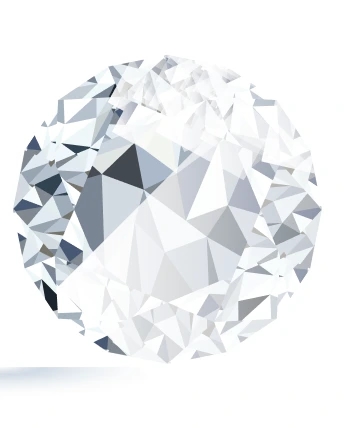
Round
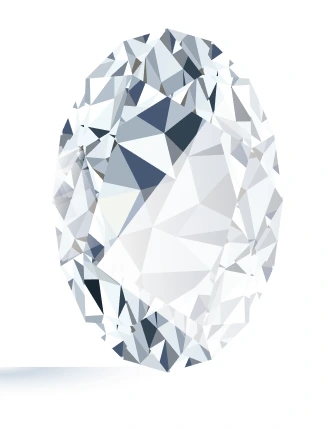
Oval
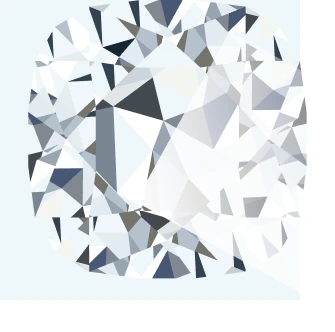
Cushion
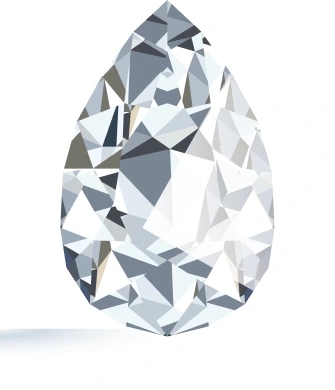
Pear
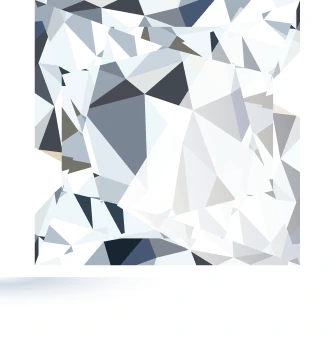
Princess
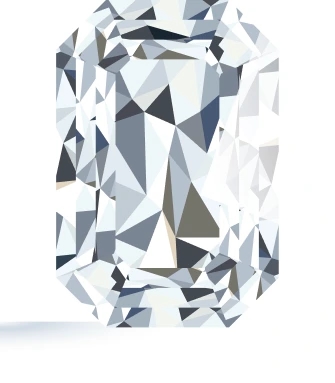
Emerald
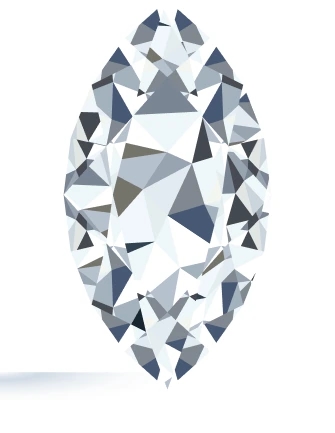
Marquise
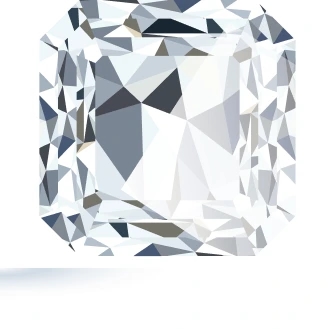
Asscher
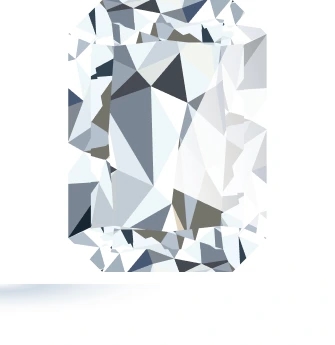
Radiant
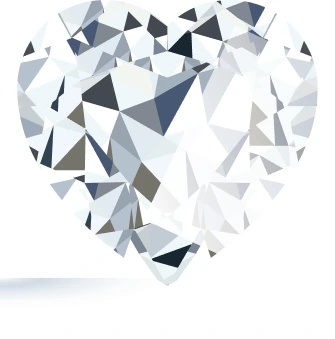
Heart
Choosing by Occasion
- Engagement Rings: For an engagement ring, prioritise cut and clarity to ensure maximum sparkle and brilliance.
- Anniversary Gifts: Consider colour and carat weight for a gift that symbolises enduring love and commitment.
- Heirloom Pieces: Balance all 4Cs to choose a diamond worth keeping and passing on.
Buying Tips for Diamonds
Making an Informed Decision
When buying diamond jewellery, consider the following tips to ensure you make the best choice:
- Prioritise Cut: A well-cut diamond will sparkle brilliantly, making it one of the most important factors to consider.
- Consider Shape: Choose a shape that complements your style and the occasion.
- Balance the 4Cs: Find a balance between cut, colour, clarity, and carat weight to get the best value for your money.
- Set a Budget: Determine your budget and stick to it, ensuring you get the best diamond within your price range.
- Choose a Reputable Jeweller: Buy from a reputable jeweller who provides grading reports from recognised independent laboratories, confirming the authenticity of their diamonds.
When you buy diamond jewellery, always pay attention to the cut because it can make a lot of difference to its appeal. For instance, if you want your diamond to sparkle at the optimal level, a round brilliant cut is usually the best choice. An emerald cut stone, on the other hand, will have an understated sparkle. Likewise, when you want more presence for the money, choose a shape that makes the stone appear larger for its weight. Marquise and oval diamonds do this well. When looking for unique appeal and charm, you can count on fancy shapes.
How to Care for Your Diamond
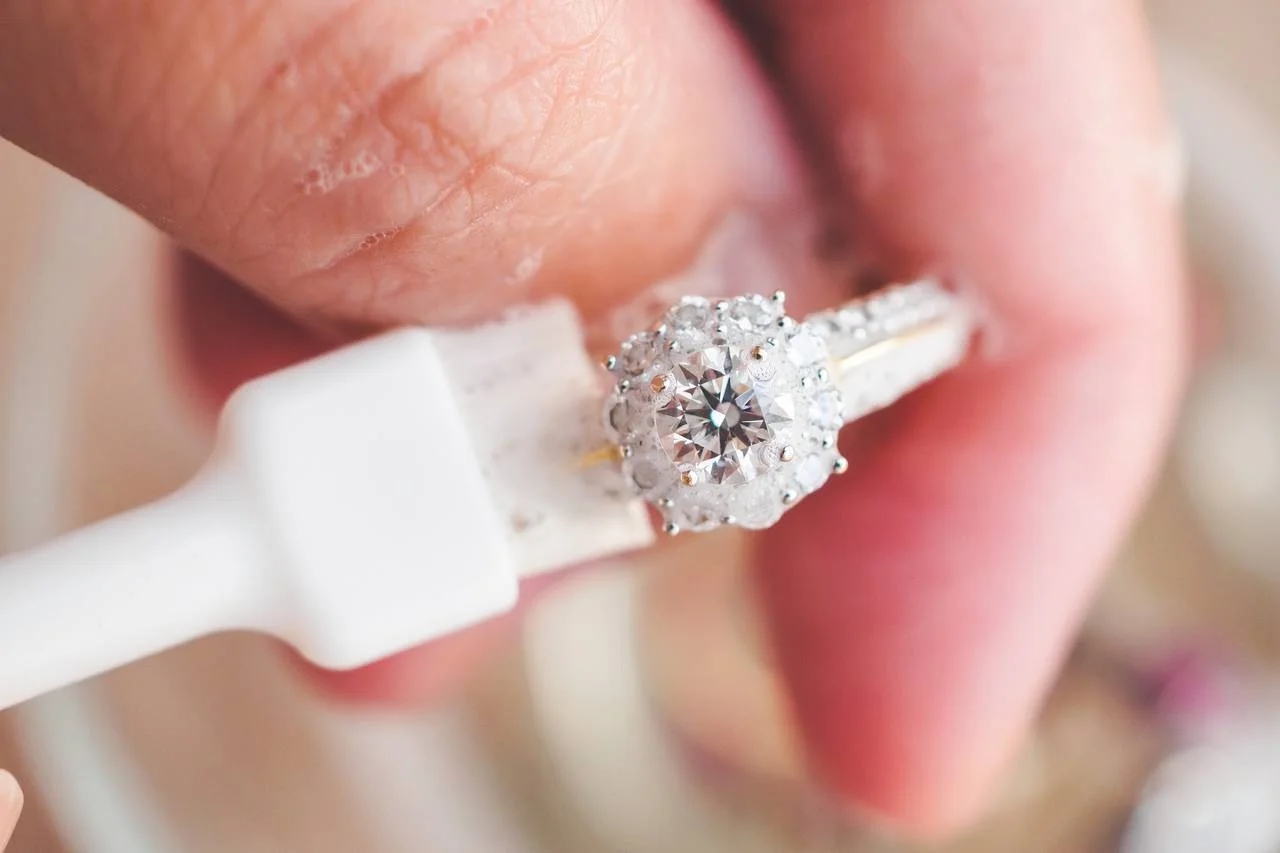
Once every week, clean your diamond jewellery in lukewarm soapy water and rub it down gently with a brush, to remove the dirt and grime from the surface and ensure a long lasting shine.
Remove your diamond jewellery when you go swimming or while doing household chores, so that the grime doesn't make your jewellery look dull.
Keep your jewellery in separate boxes to reduce the chances of scratches on the metal.
Ending Notes
Cherish Your Diamonds Forever
Natural diamonds are a representation of elegance, toughness, and beauty. Knowing the 4Cs and picking the ideal shape lets you choose with confidence, and a diamond chosen well is one to keep for a lifetime. Diamonds are, after all, a keepsake of feelings and memories rather than merely a purchase.
The rest of the guide
- AuthenticityIGI, GIA, SGL and the BIS hallmark: what each one certifies, and what we promise with them.
- GemstonesWhat makes a gem rare, natural against synthetic and simulant stones, and the twelve birthstones.
- MetalsKarat against wearability, the three tones and what makes them, and the hallmark that proves the purity.
- Diamond WarrantyWhat is covered for life, what is not, and the four steps a claim takes.