Jewel guide
Metals
Choosing the right metal for your jewellery is crucial as it affects not only the appearance but also the durability and cost of the piece. Here's a guide to help you understand the most common metals used in jewellery making.
In the realm of jewellery, three metals stand out: silver, gold, and platinum. All three are prized for their lustre, and their malleability allows for intricate jewellery designs that highlight their natural beauty. Jewelnme pieces are made in 9K, 14K and 18K gold; the other metals are here for comparison.

The Most Common Precious Metals

1. Gold
Probably the most beloved metal of all, gold has a long history as the “chosen metal” of royalty. From pharaohs in Egypt to the crowned heads of Europe, royalty recognises the regal nature of gold. People love gold not only because of its beauty but also its practical nature. It can transform into any shape, pure gold does not tarnish or corrode, and jewellers can reuse old, damaged gold to create new jewellery.
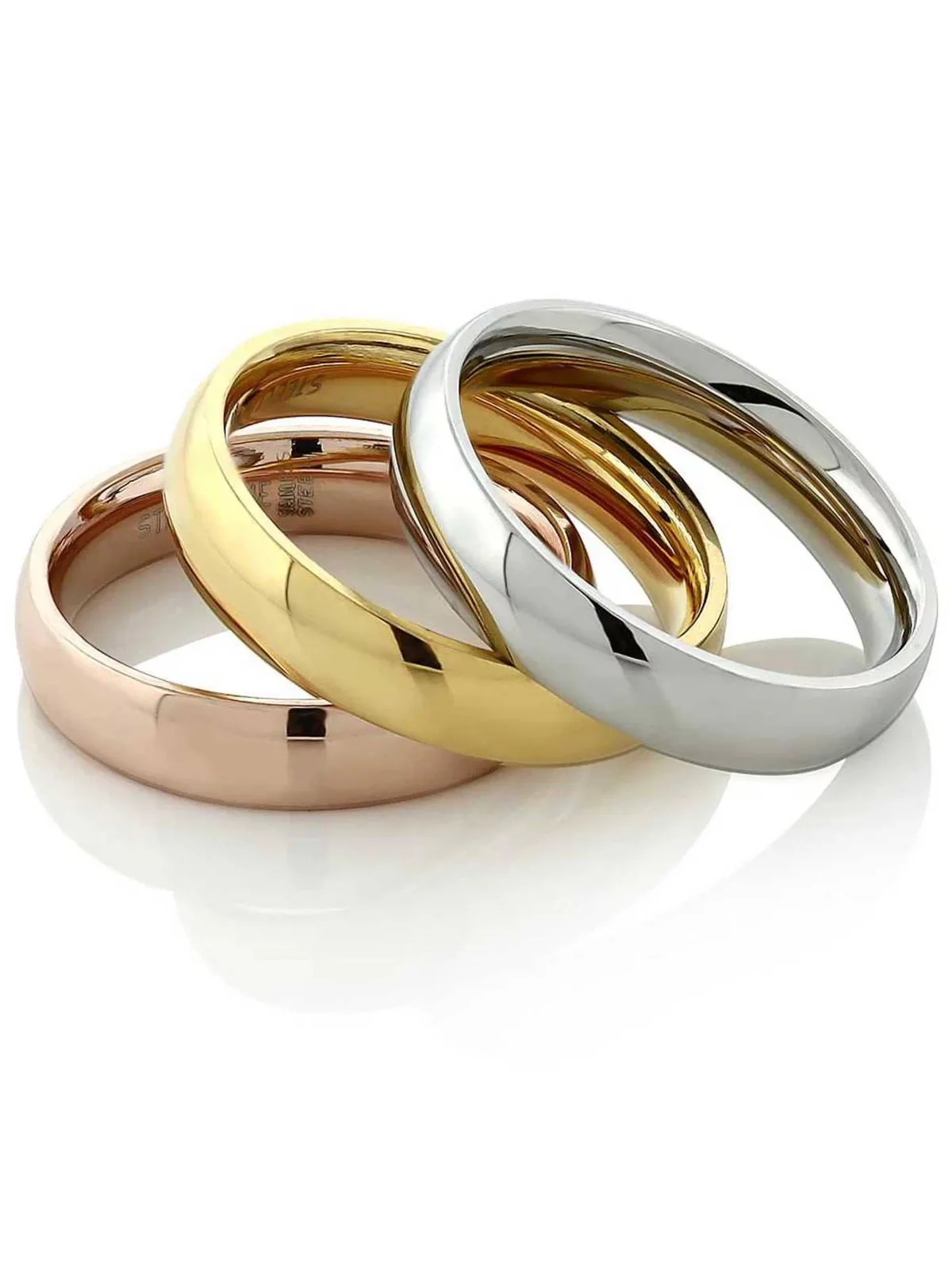
In its natural state, gold is soft and carries a yellowish hue. As such, jewellers combine other metals with gold to create a stronger product that comes in a variety of colours:
- Yellow gold is a combination of pure gold, silver, and copper. It boasts a regal, warm yellow hue that is used in engagement rings and high-end jewellery. Yellow gold is also great for decadent statement pieces, as it provides dramatic flair for the wearer.
- Rose gold combines pure gold with copper, which gives it a pink, “rosy” colour. The share of copper decides the shade, from a deeper rose to a lighter, brighter pink. Originally an underrated metal, rose gold has become a more common choice for precious jewellery over the last few years. Additionally, it’s used in engagement rings as a romantic alternative to the standard grey-white and yellow tones of other metals.
- White gold mixes pure gold with silver, nickel, or palladium. The ethereal white colour of this gold makes it a perfect option for those with refined taste, and it’s a less expensive alternative to platinum for engagement rings. However, jewellers plate a layer of rhodium onto the surface of white gold jewellery to maintain that glowing white hue. As such, white gold pieces should be brought to a jeweller every two to three years to be replated with rhodium, before the warmer natural tone shows through.
You can identify the purity of gold jewellery by reading the number of “karats” shown in the hallmark. Karats measure the purity of gold alloy, which depends on the amount of other metals mixed in to create a stronger material. As such, different karats of jewellery have different hardness, scratch resistance, etc.
Gold Purity
Gold is soft in its natural state, so it is alloyed with other metals for strength. The karat says how much of the piece is gold, and the BIS hallmark on Indian jewellery shows it as a karat and a fineness, such as 18K750, beside the piece's HUID (Hallmark Unique Identification). Jewelnme pieces are made in 9K, 14K and 18K gold; the other karats are listed for comparison.
- 24K Gold: 99.9% pure gold. Too soft for daily wear jewellery and easily scratched, so it is primarily used for gold coins, biscuits and bars.
- 22K Gold (916): 91.6% gold. The traditional choice for Indian gold jewellery, rich in colour but still soft for pieces set with stones.
- 18K Gold (750): 75% gold, mixed with 25% other metals. Ideal for fine jewellery, offering a balance between purity and durability, and suitable for high-end jewellery that is worn regularly.
- 14K Gold (585): 58.5% gold, mixed with 41.5% other metals. Commonly used in everyday jewellery, offering a good balance between durability and cost.
- 10K Gold: 41.7% gold, mixed with 58.3% other metals. Very durable and inexpensive, often used in fashion jewellery abroad; it is not a BIS hallmark grade in India.
- 9K Gold (375): 37.5% gold, mixed with 62.5% other metals. The most durable and least expensive of the karats we make, and a good choice for pieces worn every day.
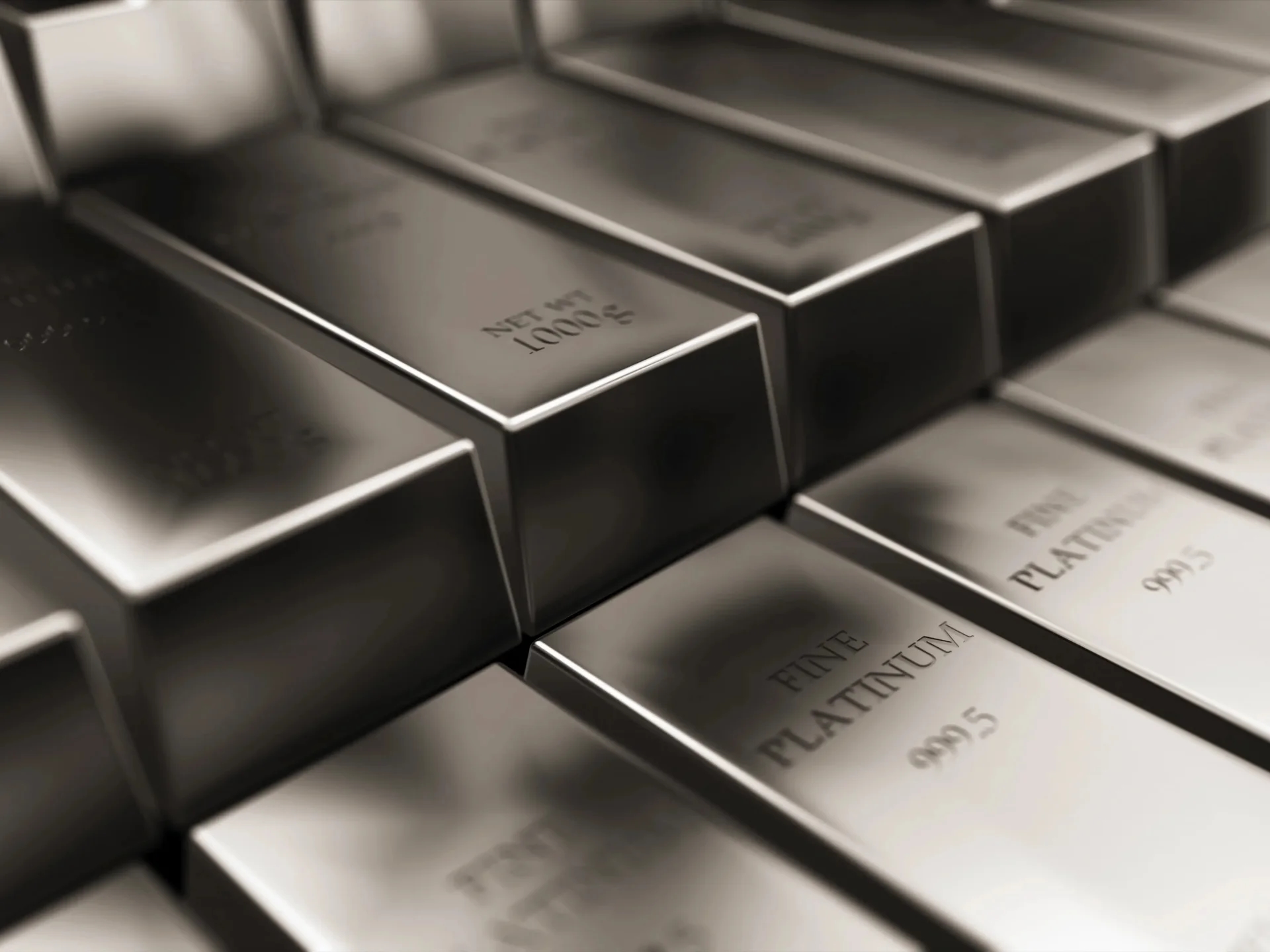
2. Platinum
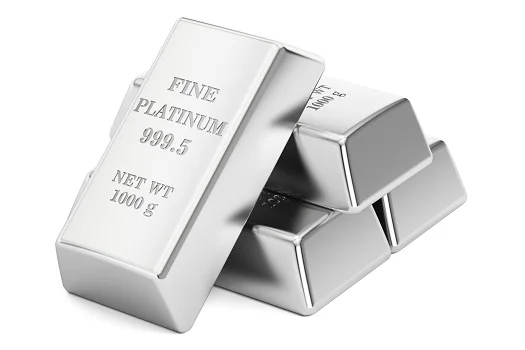
Naturally beautiful and strong, bright white platinum is often the first indicator of high-end jewellery. It's a rare metal with a purity rating of 900 (90%) or 950 (95%), mixed only with a little bit of palladium, iridium, or rhodium for added strength. It's also hypoallergenic, which makes it a sought after option for wearers with sensitive skin.
A common misconception with jewellery buyers is that upgrading to platinum means the item will never suffer any damage. Although it is durable, platinum jewellery can scratch or patina over the years with daily wear or abuse. A soft cloth keeps it clean, and both scratches and patina can be polished away by a jeweller.
You can find platinum in most jewellery stores, often set with diamonds and other gemstones. But platinum itself shines just as bright as any stone, and it is often used as a standalone material in wedding bands.
3. Silver
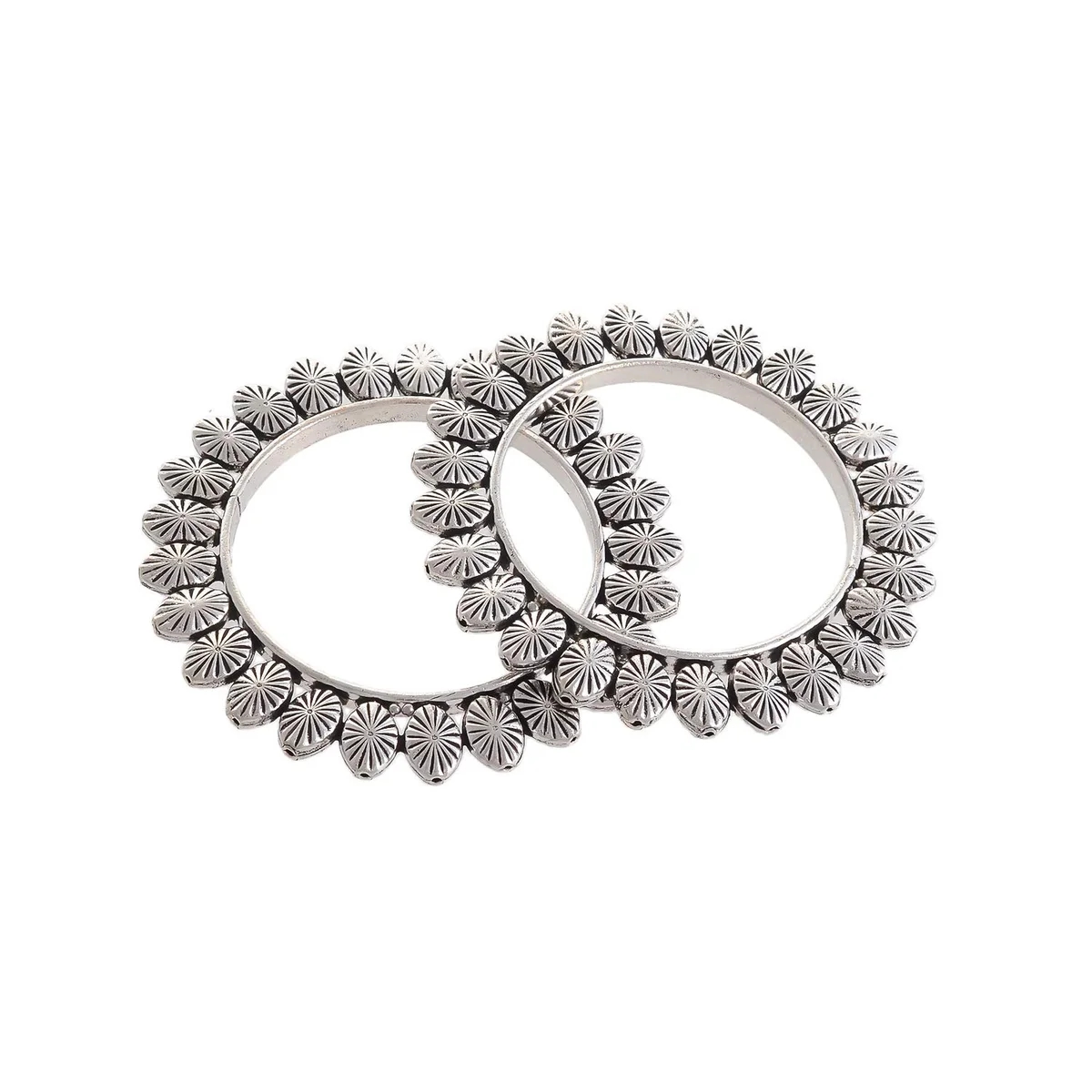
A soft, malleable metal in its pure state, silver is a greyish-white metal commonly used in jewellery. In fact, designers often combine silver with other metals to create a more durable alloy due to its pliability. A “925” stamp means a piece is “sterling silver” or 92.5% pure silver mixed with metals like copper.
Silver is a favourite metal for daily wear jewellery, as it is less expensive than other metals. Although it's not resilient enough for wedding and engagement rings, silver is used for necklaces, earrings, bracelets, and fashion rings.
However, despite its buyer-friendly price, silver jewellery scratches, and it tarnishes over time, fastest when it is left unworn in the open air. Wearing it often, cleaning it gently and storing it in an airtight pouch will help your piece last much longer than anticipated.
Which lesser-known precious metals are also fascinating?
4. Ruthenium
It is a silver-coloured, hard metal that is mainly used in electronics. Ruthenium was discovered in the Russian Urals in 1844. Today, most of it comes from South Africa and Russia.
Ruthenium is also used in jewellery. Ruthenium is added especially in platinum and palladium jewellery. This makes them a little more expensive, but also much sturdier.
5. Osmium
This precious metal has a blue grey colour and in powder form, it reacts very strongly with oxygen. As a result, it gives off a sharp smell (the word osmium is derived from the Greek osmè, which means ‘smell’) and is also very toxic. So it is not a precious metal you would want to wear in a ring.
6. Iridium
This precious metal has a very high density, so it is unusually heavy for its size. In industry, the metal is highly sought after for its hardness, durability and high melting temperature. It is rare in the earth's crust, but often found in meteorites. Like ruthenium, iridium is often used to make platinum harder.
7. Palladium
With palladium, another silver-coloured metal, we are getting a little closer to the types of precious metals most people think of right away. Some jewellery is made of pure palladium, and it is lighter than platinum. But in jewellery-making, palladium is mainly used as an addition to gold, to achieve white gold.
8. Rhodium
Rhodium is a silver white (more white than silver), very hard metal, which is very rare. In nature it usually occurs mixed with gold, platinum or palladium. Refining pure rhodium is an expensive, complicated process. Most of it comes from South Africa, and only around 30 tonnes are mined each year, against more than 3,000 tonnes of gold. The favourable physical properties of this metal combined with its rarity often make it the most expensive precious metal in the world.
Rhodium is applied very thinly to white gold jewellery for the hardness and exceptional colour. White gold by itself still has a faintly warm tone. This process is called rhodium plating, and it is renewed every two to three years.
Other metals such as magnesium, copper or titanium are not precious metals.
Expert Guidance for Your Ideal Jewellery
We are aware that picking the ideal piece is a significant choice. Whether you're interested in the modern elegance of white gold, the romance of rose gold, or the warmth of yellow gold, our jewellers are here to make the process easier with knowledgeable advice.
The rest of the guide
- AuthenticityIGI, GIA, SGL and the BIS hallmark: what each one certifies, and what we promise with them.
- DiamondsWhy natural diamonds, the 4Cs graded stone by stone, the shapes, and what to weigh before you buy.
- GemstonesWhat makes a gem rare, natural against synthetic and simulant stones, and the twelve birthstones.
- Diamond WarrantyWhat is covered for life, what is not, and the four steps a claim takes.