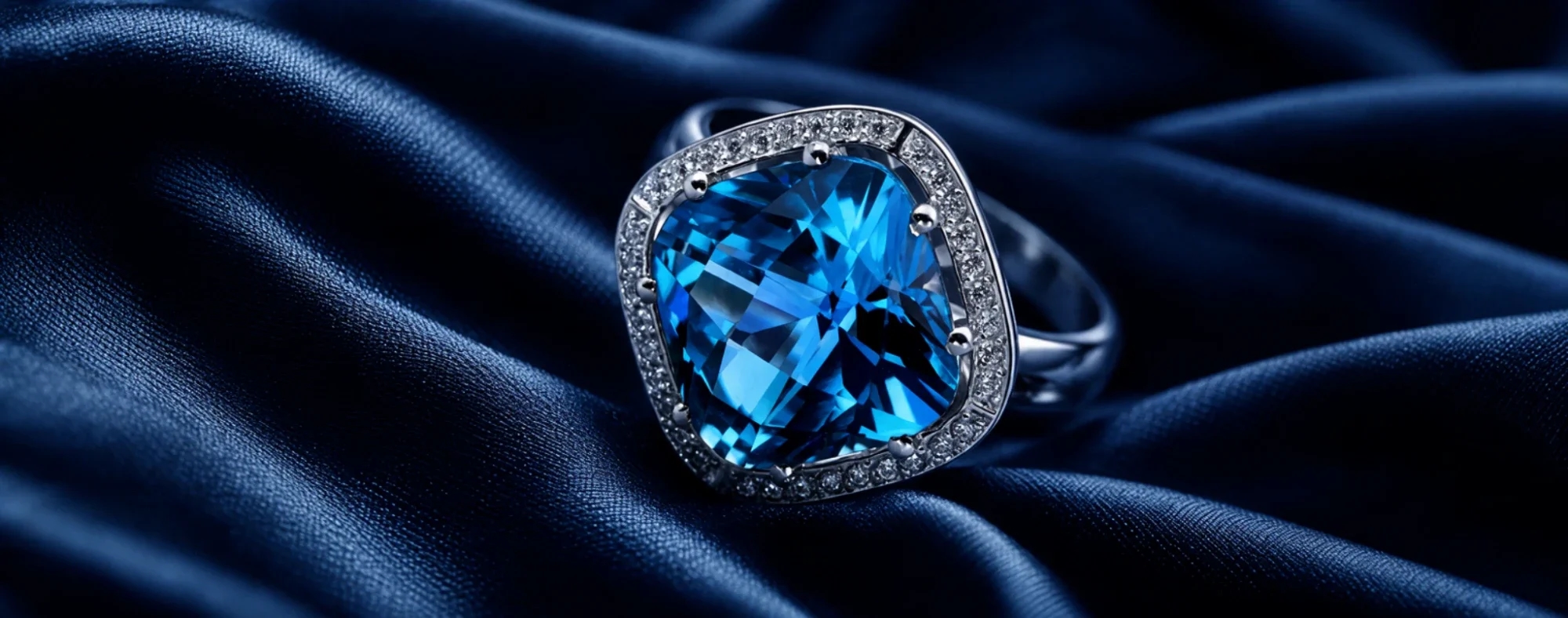


A blue topaz ring with a diamond halo on navy silk

Jewel guide

Gemstones

Gemstones are mineral crystal fragments used in jewellery and other accessories. They are also referred to as gems, fine gems, jewels, precious stones, or semi-precious stones. They may also consist of organic materials like amber, jet, and pearl, as well as rocks like lapis lazuli and mineraloids like opal. Some soft minerals are prized for their lustre or other aesthetic qualities, but the majority of gemstones are hard. A gemstone's value is also increased by rarity.

What Makes These Gemstones So Rare and Valuable?

Gemstones that stand out for their rarity, special qualities, and alluring beauty are among the most intriguing and sought-after in the world. In addition to their aesthetic value, these remarkable gems are valued for their fascinating backstories and the ethereal charm that envelops them.

  • Alexandrite: Well known for its remarkable colour-changing abilities, this extraordinary gem was found in the Ural Mountains of Russia in the 1830s. It is bluish-green in daylight and turns reddish-purple under incandescent light. This dramatic change in colour, the “alexandrite effect,” makes it one of the rarest and most valuable gemstones in the world. Its mystique is increased by the belief that it can improve creativity, inspire the imagination, and strengthen intuition.
  • Paraíba Tourmaline: First found in the Brazilian state of Paraíba in the 1980s, this gem is renowned for its strikingly electric blue and green hues. Copper, a rare element in tourmalines, gives it its vivid, neon-like colours. Its remarkable colour and rarity make it highly sought after by collectors and connoisseurs, and one of the most valuable gems in the world.

With their distinctive qualities and enthralling histories, these rare and precious gemstones never cease to amaze. They have a special place in the gemstone industry, whether they are prized for their perceived metaphysical qualities, admired for their beauty, or treasured for their rarity.

Natural vs. Synthetic Gemstones: Understanding the Differences

For centuries, the beauty and charm of gemstones have enthralled people. But not every gemstone is made equally. Natural, synthetic, and imitation gemstones differ greatly from one another, and each has its own qualities and worth.

  • Natural Gemstones: Natural gemstones form over millions of years deep within the Earth's crust. They are sourced from the Earth and frequently treated to enhance their hue or shine; heat treatment is the most common such enhancement, and any treatment can affect a stone's value. Nature's creation, along with its rareness and beauty, makes natural gemstones highly sought-after.
  • Synthetic or Lab-Created Gemstones: Lab-created gemstones are made by people and machines. They are chemically, physically and optically identical to natural gems, but they are not rare, and so they are typically less valuable than natural gemstones. Modern technology has made it possible to create synthetic forms of almost all popular gemstones, some so well made that they are hard to tell from natural stones. A trained gemmologist, or a gemmological laboratory, can identify them.
  • Simulant Gemstones: Imitation, or simulant, gemstones are designed to look like natural gemstones but differ in their physical and chemical make-up. They are usually made from glass, plastic or cubic zirconia and are much cheaper than natural gemstones. They are not as desirable, and a jeweller can easily identify them by their properties, but they make an inexpensive alternative.

Choosing between natural, synthetic, or simulant gemstones can be challenging when buying jewellery. You can choose from Earth-formed, lab-made or simulant gemstones, depending on the level of rarity you want and your ethical concerns.

The Birthstones

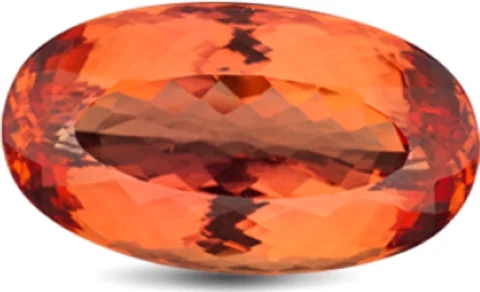
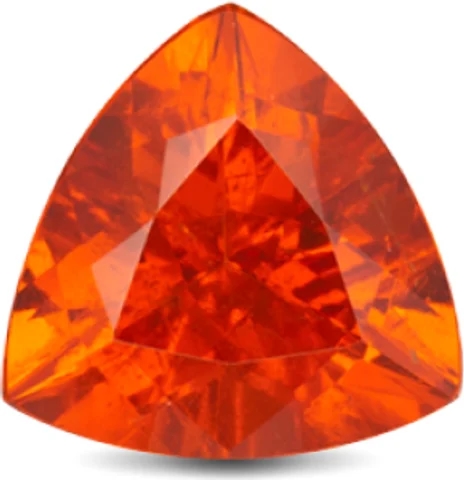
A polished garnet

Garnet

Garnets are a set of closely related minerals forming a group, with gemstones in almost every colour.

The garnet group of related mineral species offers gems of every hue, including fiery red pyrope, vibrant orange spessartine, and rare intense-green varieties of grossular and andradite.

Birthstone - January

“Garnet’s virtues have been long believed to include passion, friendship, success, loyalty and faith.”
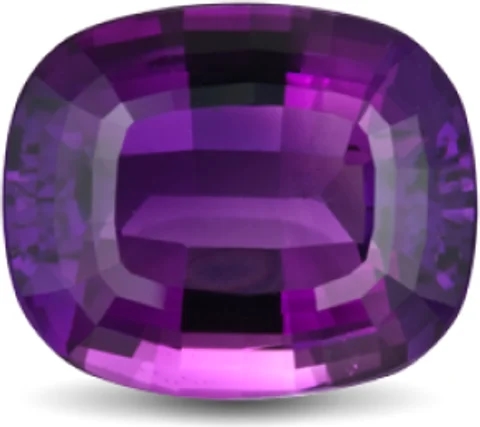
A polished amethyst

Amethyst

The essence of the colour purple, amethyst is beautiful enough for crown jewels yet affordable enough for everyday rings.

Purple variety of the mineral quartz, often forms large, six-sided crystals. Fine velvety-coloured gems come from African and South American mines. In demand for jewellery at all price points.

Birthstone - February

“Amethyst is said to be associated with qualities of peace, courage and stability.”

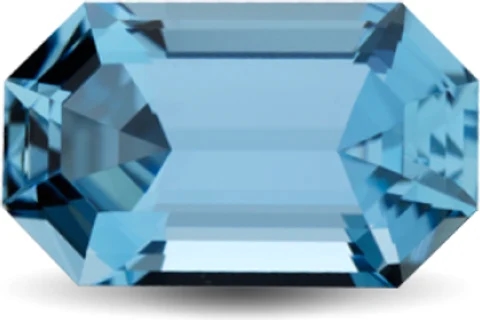
A polished aquamarine

Aquamarine

Named after seawater, aquamarine’s fresh watery hue is a cool plunge into a refreshing pool.

Blue to slightly greenish-blue variety of the mineral beryl. Crystals are sometimes big enough to cut fashioned gems of more than 100 carats. Well-formed crystals make superb mineral specimens.

Birthstone - March

“Aquamarine: a timeless symbol of youth, health and hope.”

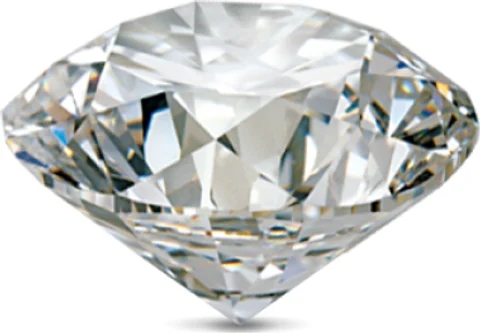
A polished diamond

Diamond

Diamonds are among nature’s most precious and beautiful creations.

This hardest gem of all is made of just one element: carbon. It’s valued for its colourless nature and purity. Most diamonds are primeval, over a billion years old, and form deep within the earth.

Birthstone - April

“Considered the ultimate gesture, it is a symbol of eternal and endless love.”

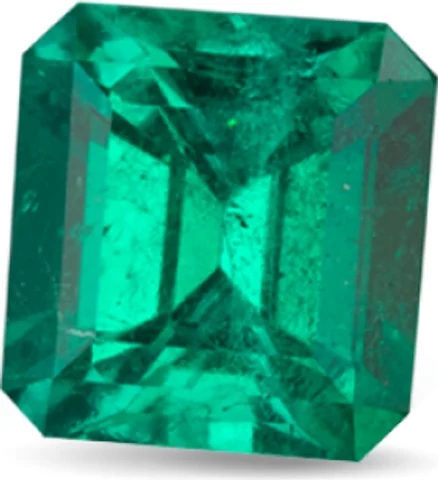
A polished emerald

Emerald

Emerald is the bluish green to green variety of beryl, a mineral species that includes aquamarine.

The most valued variety of beryl, emerald was once cherished by Spanish conquistadors, Inca kings, Mughals, and pharaohs. Today, fine gems come from Africa, South America, and Central Asia.

Birthstone - May

“Emerald, known as the gem of Venus, is considered to be a strong symbol of the bonds of love and rebirth.”

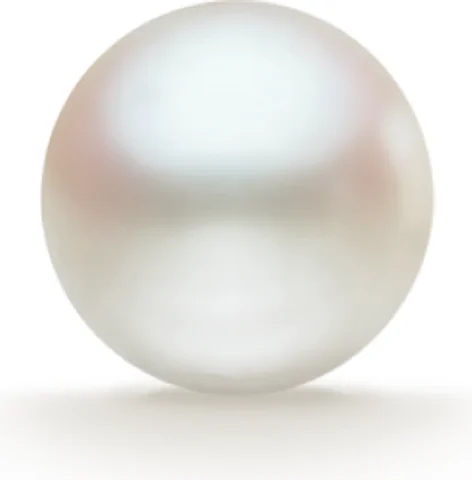
A polished pearl

Pearl

Perfect shining spheres. Lustrous baroque forms. Seductive strands, warm to the touch. Pearls are simply and purely organic.

Produced in the bodies of marine and freshwater molluscs naturally or cultured by people with great care. Lustrous, smooth, subtly-coloured pearls are jewellery staples, especially as strands.

Birthstone - June

“Pearls have long been said to stand for purity, wisdom and integrity.”

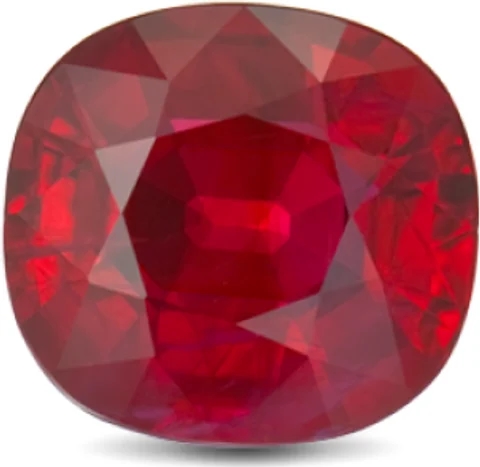
A polished ruby

Ruby

Ruby is the most valuable variety of the corundum mineral species, which also includes sapphire.

Traces of chromium give this red variety of the mineral corundum its rich colour. Long valued by humans of many cultures. In ancient Sanskrit, ruby was called ratnaraj, or “king of precious stones”.

Birthstone - July

“Ruby, the King of Gemstones, is said to represent love, courage and passion.”

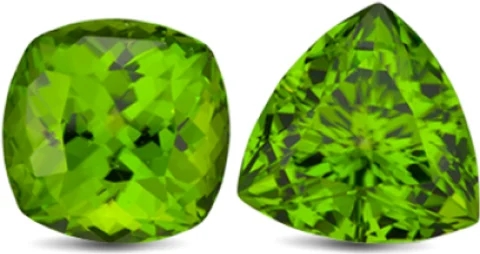
A polished peridot

Peridot

Found in lava, meteorites, and deep in the earth’s mantle, yellow-green peridot is the extreme gem.

Yellow-green gem variety of the mineral olivine. Found as nodules in volcanic rock, occasionally as crystals lining veins in mountains of Myanmar and Pakistan, and occasionally inside meteorites.

Birthstone - August

“Peridot is a happy stone. It is said to bring happiness, warmth and emotional strength in the lives of the wearers.”

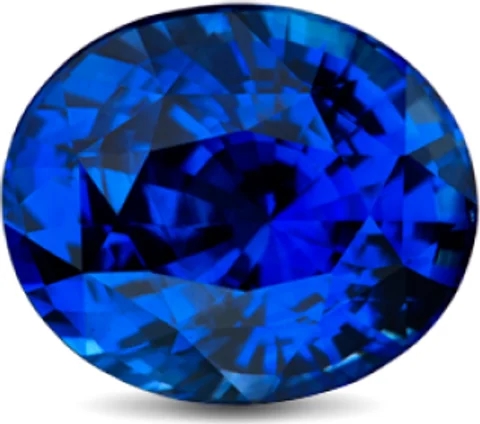
A polished sapphire

Sapphire

“Sapphire” is the name for any gem corundum that is not ruby, the red variety.

Depending on their trace element content, sapphire varieties of the mineral corundum might be blue, yellow, green, orange, pink, purple or even show a six-rayed star if cut as a cabochon.

Birthstone - September

“Sapphires are believed to focus the mind, encourage self-discipline and channel higher powers.”

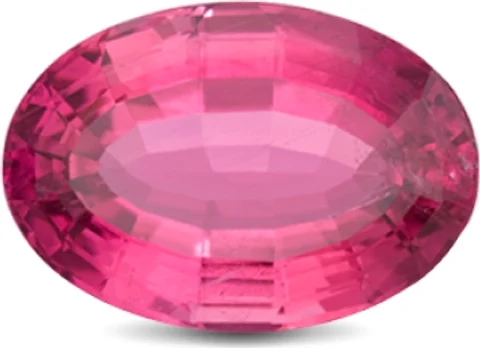
A polished tourmaline

Tourmaline

Tourmalines have a variety of exciting colours with one of the widest colour ranges of any gem.

Comes in many colours, including the remarkable intense violet-to-blue gems particular to Paraíba, Brazil, and similar blues from Africa. Favourite of mineral collectors.

Birthstone - October

“Tourmaline is believed to protect one against evil forces, toxins, pollutants and all negative energy.”

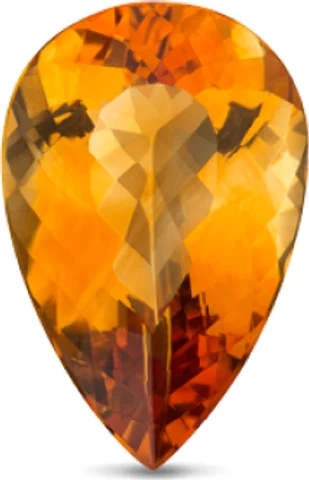
A polished citrine

Citrine

Citrine is the transparent, pale yellow to brownish orange variety of quartz.

Citrine’s colour comes from traces of iron. It’s perhaps the most popular and frequently purchased yellow gemstone and an attractive alternative to topaz as well as to yellow sapphire.

Birthstone - November

“Part of the Quartz family, Citrine is famously known as the Healing Quartz. It is said to support vitality and health.”

A polished topaz

Topaz

Honey yellow. Fiery orange. Cyclamen pink. Icy blue. In warm or cool tones, topaz is a lustrous and brilliant gem.

Colourless topaz treated to blue is a mass-market gem. Fine pink-to-red, purple, or orange gems are one-of-a-kind pieces. Top sources include Ouro Prêto, Brazil, and Russia's Ural Mountains.

Birthstone - December

“Blue Topaz, being a symbol of love, is said to foster kindness and a sweet nature.”

The rest of the guide